
Why You Should Try Fermented Foods Including This Kimchi Recipe
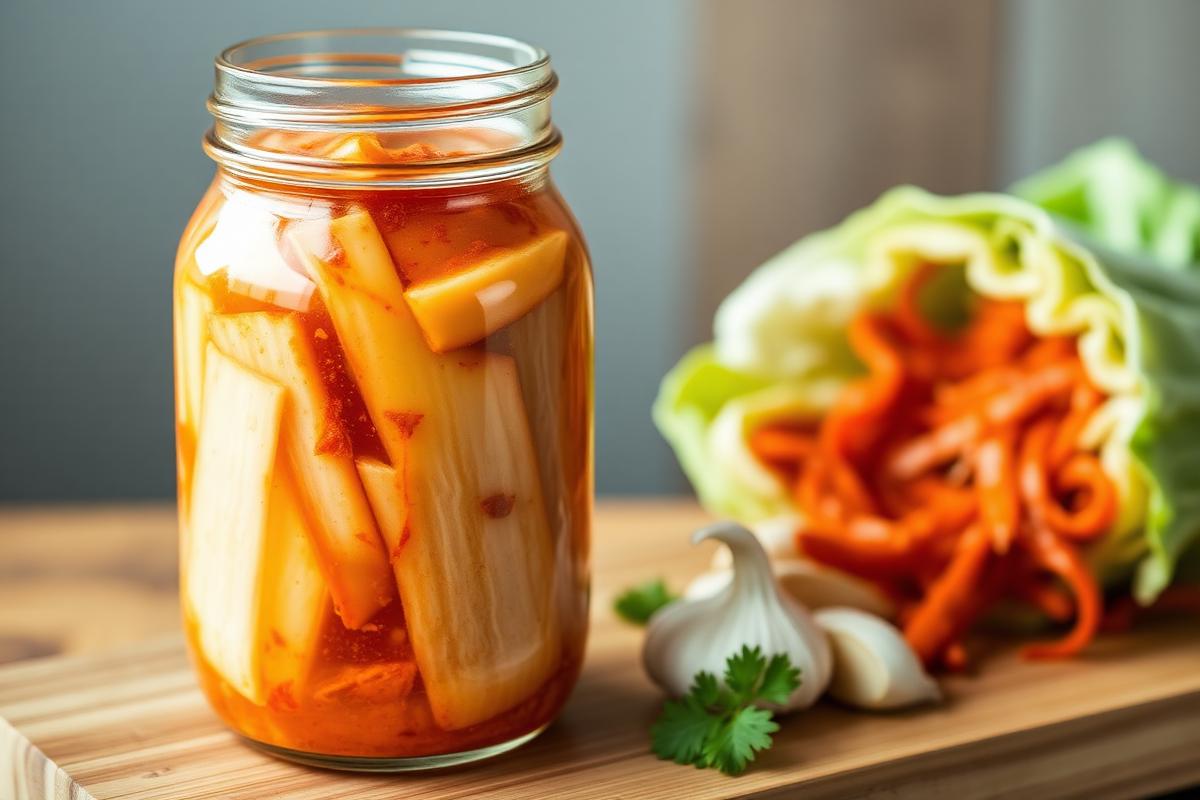
Homemade Kimchi
A spicy, tangy fermented vegetable side.
Ingredients
- 1 medium napa cabbage, chopped
- 2 medium carrots, julienned
- 5 to 6 green onions, chopped
- 1 small orange or clementine, optional
- 4 tbsp gochugaru
- 3 tbsp fish sauce or soy sauce
- 4 garlic cloves, minced
- 1-inch piece ginger, minced
- 1 tsp sugar
- 1 tbsp sea salt
- 3 tbsp water
Method
- 1Sprinkle the cabbage with salt and rest for 1 to 2 hours. Rinse and drain.
- 2Blend gochugaru, fish sauce, garlic, ginger, sugar, and water into a thick paste.
- 3Combine the paste with the vegetables and optional orange, massaging until coated.
- 4Pack firmly into a clean jar, removing air pockets and leaving room for expansion.
- 5Seal loosely and ferment at room temperature for 1 to 2 days, then refrigerate.
Fermented foods have been a part of human diets for centuries, offering not only preservation and enhanced flavor but also numerous health benefits. The process of fermentation, driven by microorganisms like bacteria and yeast, converts carbohydrates into alcohol or acids, enriching the nutritional value of the foods.
Health Benefits of Fermented Foods
1. Enhanced Digestive Health Probiotics in fermented foods help balance gut bacteria, improving digestion and alleviating issues like bloating and constipation. This is supported by studies showing their role in maintaining gastrointestinal health and preventing dysbiosis [1].
2. Improved Immune Function A healthy gut microbiome directly influences the immune system. Research has shown that probiotics in fermented foods can modulate immune responses and enhance resistance to infections [2].
3. Weight Management Fermented foods like kimchi have been associated with weight loss and obesity prevention. Studies indicate that probiotics may regulate fat metabolism and reduce body weight in certain populations [3].
4. Blood Sugar Regulation Fermented dairy products, such as yogurt, may help regulate blood sugar levels, reducing the risk of type 2 diabetes. The probiotics in these foods can improve insulin sensitivity and glucose metabolism [4].
5. Heart Health Consuming fermented soy products, like miso and natto, has been linked to improved cardiovascular health. They can help lower blood pressure and reduce LDL cholesterol levels [5].
6. Anti-Inflammatory Properties Fermented foods can help reduce systemic inflammation, which is linked to many chronic diseases. Studies suggest that probiotics play a key role in decreasing markers of inflammation in the body [6].
Incorporating Fermented Foods into Your Diet
Adding fermented foods to your daily meals is simple and enjoyable. Here are some options to try:
- Yogurt : A creamy dairy product with live bacterial cultures.
- Kefir : A tangy, drinkable milk beverage packed with probiotics.
- Sauerkraut : Fermented cabbage, often used as a condiment.
- Kimchi : A spicy Korean side dish made from fermented vegetables.
- Miso : A traditional Japanese seasoning made from fermented soybeans.
Homemade Kimchi Recipe
Ingredients Vegetables/Fruit:
1 medium napa cabbage , chopped
2 medium carrots , julienned
5-6 green onions , chopped
Optional: 1 small orange or clementine , peeled and sliced, or use juice and zest
Seasonings:
4 tablespoons Korean red pepper flakes ( gochugaru )
3 tablespoons fish sauce or soy sauce
4 cloves garlic , minced
1-inch piece ginger , minced
1 teaspoon sugar
1 tablespoon sea salt
3 tablespoons water
Instructions
1. Salt the Cabbage : Sprinkle the chopped cabbage with salt and let sit for 1-2 hours. Rinse and drain.
2. Prepare the Paste : Blend the gochugaru, fish sauce, garlic, ginger, sugar, and water into a thick paste.
3. Mix Ingredients : Combine the paste with vegetables and optional orange. Massage until evenly coated.
4. Pack into Jar : Transfer to a clean jar, press to remove air pockets, and leave space for expansion.
5. Ferment : Seal loosely and ferment at room temperature for 1-2 days. Refrigerate after fermentation.
Enjoy Your Homemade Kimchi!
Congratulations on creating your own spicy and flavorful kimchi! Use it as a vibrant side dish to complement meals or add it to rice, noodles, or even tacos for an extra zing. Don't stop at kimchi — explore the world of fermented foods like sauerkraut, miso, kombucha, and kefir to discover new tastes and health benefits. Incorporating fermented foods into your diet is a delicious way to support your gut health, immune system, and overall well-being. Cheers to flavorful health!

Collagen Belly Burn.
Multi-collagen + Vitamin C, HA & Glucomannan for metabolism, skin and joints.
Shop now